
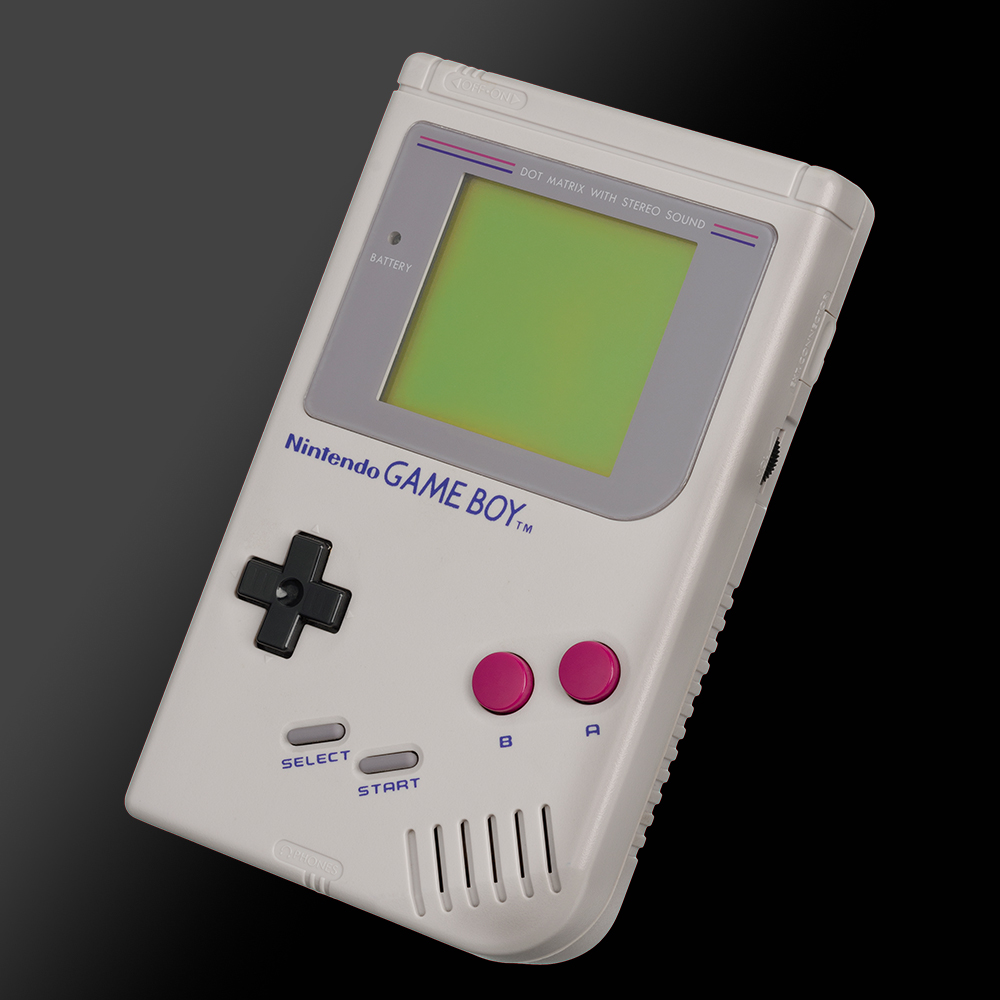
The idiom “imitation is the sincerest form of flattery” is actually incomplete. The full expression is “imitation is the sincerest form of flattery that mediocrity can pay to greatness.” The latter expression is less pithy, but it’s a bit more true to life, especially in the case of the Game Boy.
Once the little gray brick that could proved itself in the market, dozens of companies attempted to copy Nintendo’s winning formula, though generally with minimal success.
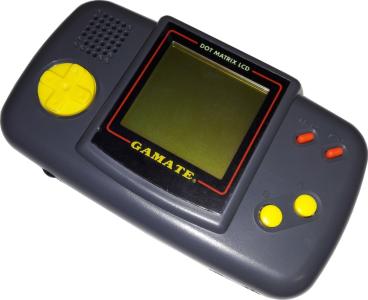
The first in the line of Game Boy clone consoles was the Gamate, made by a Taiwanese company and releasing in 1990. Like the Game Boy, the Gamate (presumably pronounced “game mate”) features a dot matrix display with a D-pad and two buttons. It was only available in the United States via mail-order, priced at $69.99. Only around 50 games were released for the system, and the console ultimately flopped.
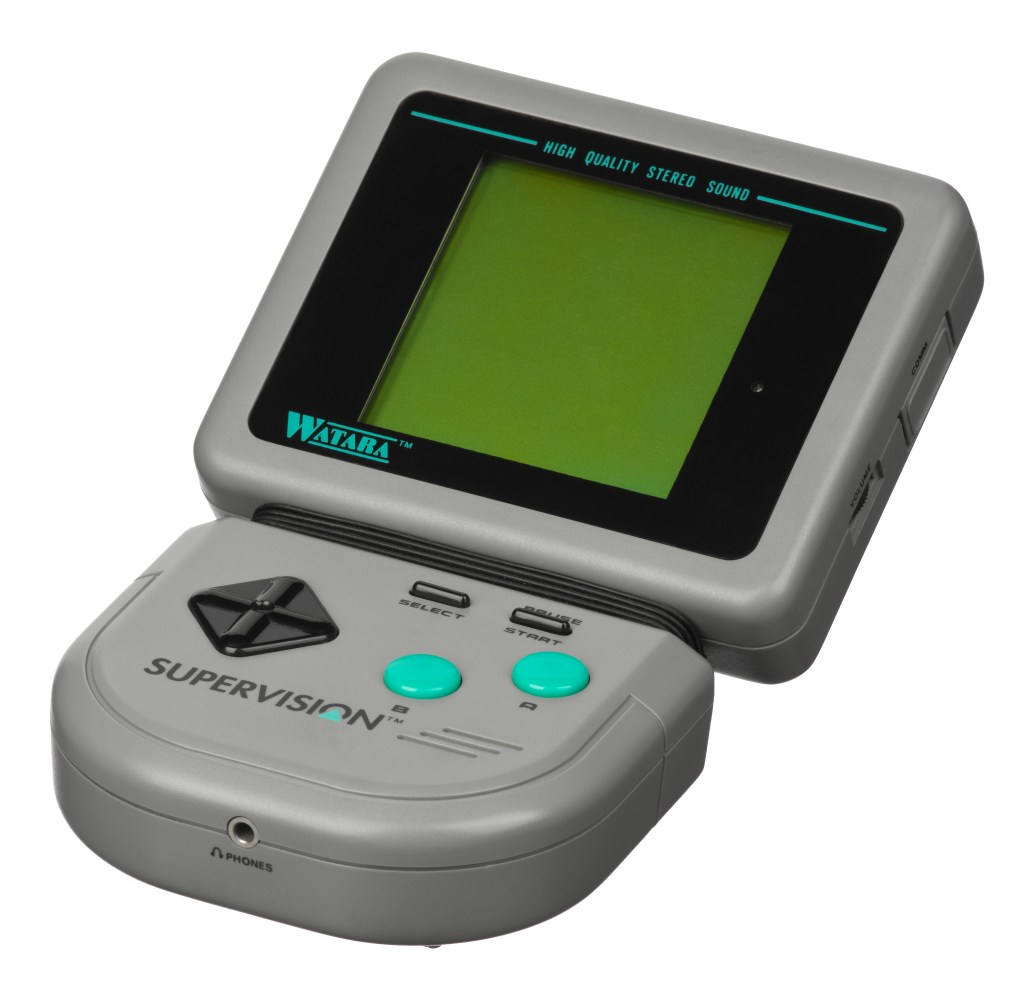
In 1992, the Hong Kong company Watara released a Game Boy clone with a unique form factor. The screen is separated from the controller and tilts slightly upwards. At $49.99, the Supervision was the cheapest handheld option on the market, coming in both the tilted screen model and a more conventional brick-like model. But a combination of lackluster games and insufficient marketing led to underwhelming sales numbers, and the Supervision never really put up a fight against the Game Boy.
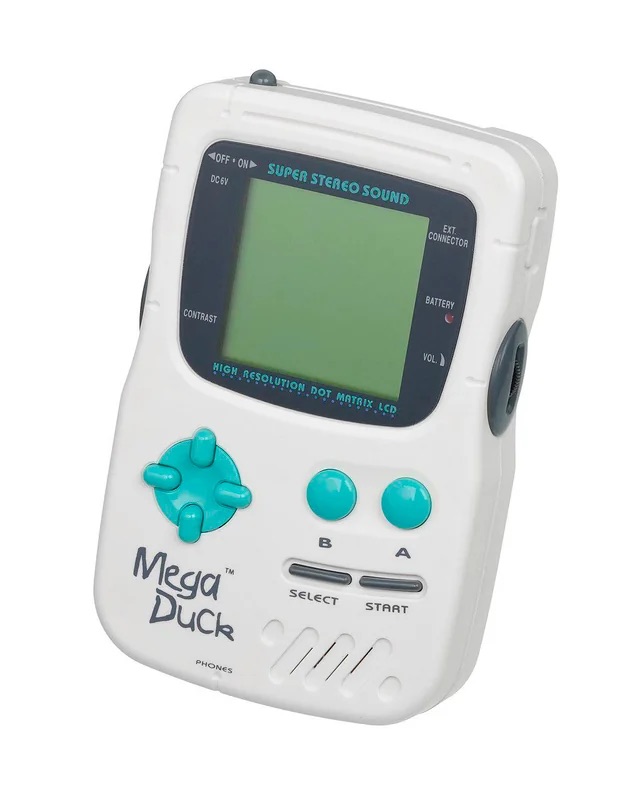
The Mighty Duck was to Europe what the Supervision was to America. Releasing in 1993 for 60€, the Mighty Duck was the most technically similar console to the Game Boy. In South America, the console sold as the Cougar Boy, though sales were slim on both continents. The Mighty Duck generally had a weaker selection of games than the Supervision, with most being knock-offs of more popular games.
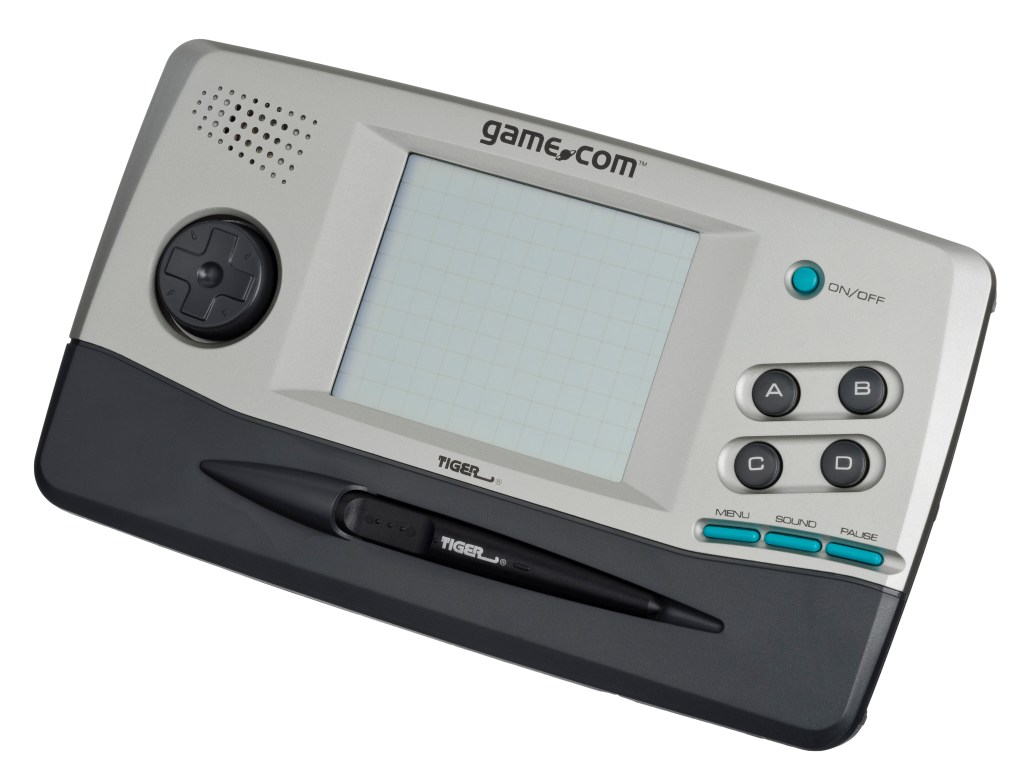
Releasing in 1997, the Tiger Game.com was late to the party. Pronounced “game com” despite the dot between the two words, the console retailed for $69.99 came with a stylus and had two cartridge slots on the side. In their marketing, Tiger claimed that the Game.com played “more games than you idiots have brain cells,” which is to say 20 games. Of those 20 were ports of Sonic the Hedgehog, Resident Evil and Doom, although they played very differently from their console counterparts. The Game.com had minor internet capabilities, although it required a $70 modem to do so, and it could only display emails. Despite its many shortcomings, the console was the best selling Game Boy clone with about 250 million purchases.
The secret to the Game Boy’s success was the games. The Game Boy was severely underpowered compared to the Atari Lynx and the Sega Game Gear, but consumers flocked to it for games like Tetris and later Pokémon. The gray brick of ’89 cemented Nintendo as the top of the handheld gaming space, but the multiple knock off consoles proved that Nintendo’s dominance came from their games.


 GAME WRECKS
Leave a comment